Mortgages: more room to say yes, and more to justify
CP26/18 closed to responses on 28 July. Its proposals point in one direction: give lenders discretion back. Assess a borrower's full and current circumstances rather than automatically excluding them for minor or historic credit issues. Offer more flexible repayment options to the self-employed and those paid in foreign currency. Update the guidance on later life and interest-only lending so more people can be served.
The FCA's own justification is that around 99% of mortgages written since 2014 are not in arrears. There is room to widen access without widening risk.
Here is the part that is easy to miss. When a rule tells you to exclude someone, the rule carries the decision. When you are invited to look at a borrower's full and current circumstances, you carry it. Discretion is not a lighter load. It is a heavier one, and it lands on your evidence.
"Full and current" is a data requirement dressed as a policy change. You cannot assess a self-employed applicant's real position from a rule. You assess it from their actual income, their actual commitments, verified from source, current as of today.
If your affordability decisions are about to become more judgement-led, it is worth checking what they are built on. That is a conversation we have most weeks: book a call at sikoia.com/request-demo.
BNPL: an affordability duty arrives overnight
From 15 July, buy now pay later firms need FCA authorisation. They must run proportionate affordability checks before lending, meet the Consumer Duty, give clear upfront information about payments and what happens if one is missed, support customers in financial difficulty, and answer to the Financial Ombudsman.
The scale of what just came inside the perimeter is easy to underestimate. UK BNPL grew from £0.06 billion in 2017 to over £13 billion in 2024, and around 10.9 million adults used it in the twelve months to May 2024.
These are firms that optimised for one thing: checkout speed. Very few have a legacy underwriting function to lean on, and none of them can afford to bolt a multi-day assessment onto a thirty-second purchase. They need verified affordability evidence at checkout speed, at volume. That is not a smaller version of a mortgage assessment. It is a different problem, and it is a data infrastructure problem.
Motor finance: the invoice for not being able to prove it
The redress scheme confirmed in PS26/3 puts the total cost to firms at around £9.1 billion, of which £7.5 billion is redress and £1.6 billion is everything else. Roughly 12.1 million agreements are eligible.
Speak to anyone inside a motor finance lender this year and the pain they describe is rarely the money. It is the reconstruction. Working out what was known about a customer, and when, and being able to evidence it years later. The FCA acknowledges that pre-2014 data availability is limited, and firms are still expected to demonstrate they applied the eligibility rules correctly.
That is a record-keeping bill arriving a decade late. Which raises an uncomfortable question about the decisions being made today. If someone asked you in 2036 to evidence a decision you are making this afternoon, what would you be able to show them?
The through line
Three different markets, three different mechanisms, one direction of travel. The regulator is handing judgement back to lenders and, in the same motion, raising the price of judgement that cannot be evidenced.
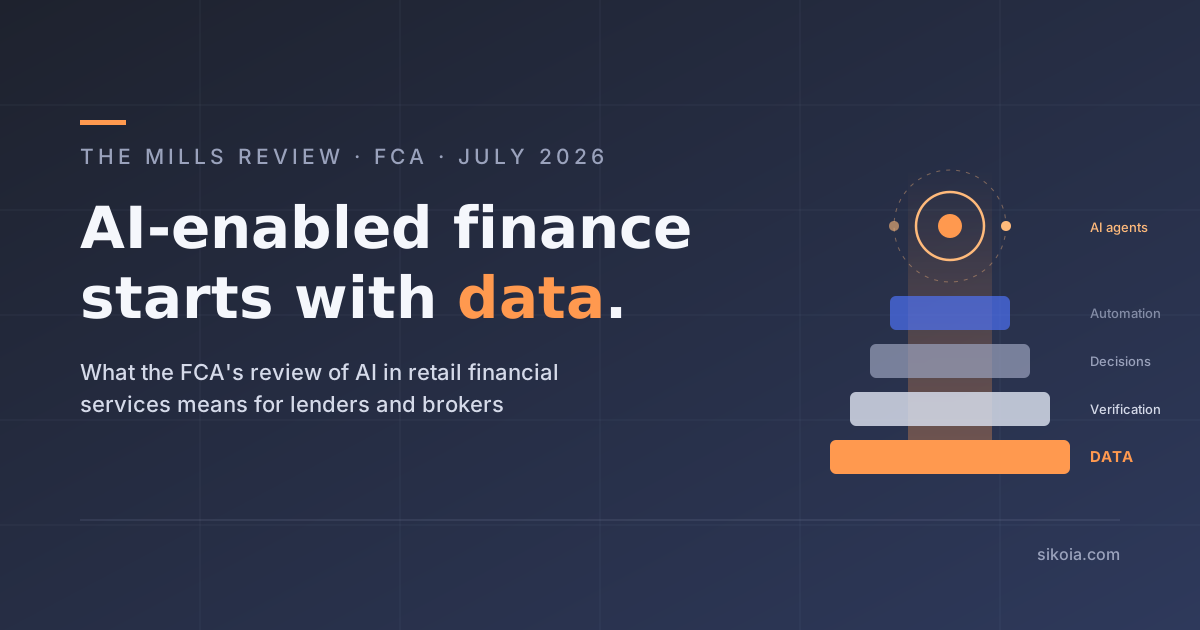
That makes the quality, completeness and provenance of customer data the binding constraint on what a lender can safely do. Not the appetite. Not the model. The evidence.
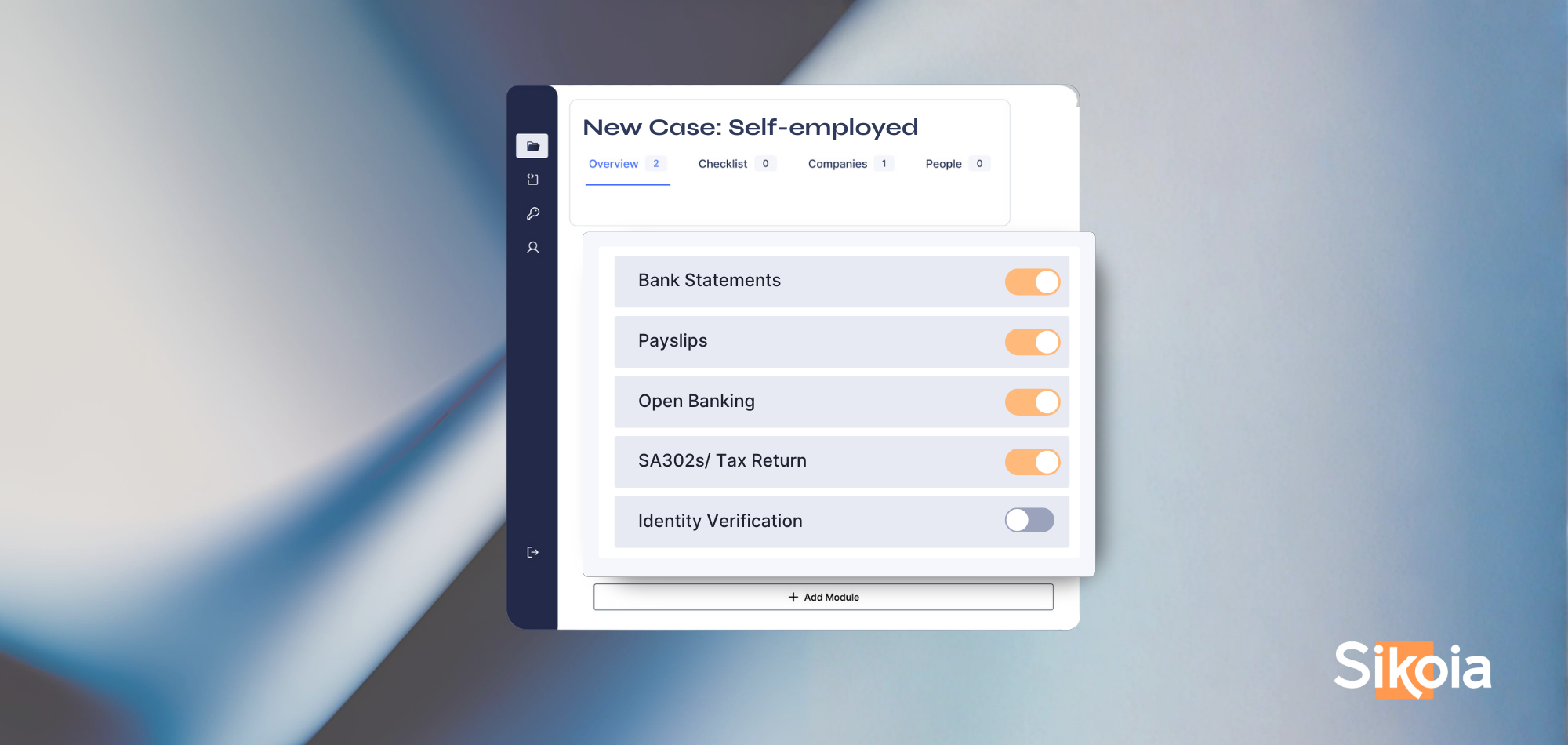
This is the problem Sikoia is built for. We aggregate a customer's data from every relevant source, verify identity, income, employment and affordability, and check that the documents are genuine, so your team decides on complete, current, sourced data. Checks that took over 30 minutes by hand take seconds, and the evidence trail is there afterwards.
Regulation is giving lenders more freedom this year. The firms that can actually use it will be the ones who can prove what they knew.
See how it works: book a call here.


.png)





.png)

.png)


.png)


.png)


%20(2).svg)


