The question has changed: from “should we” to “how do we”
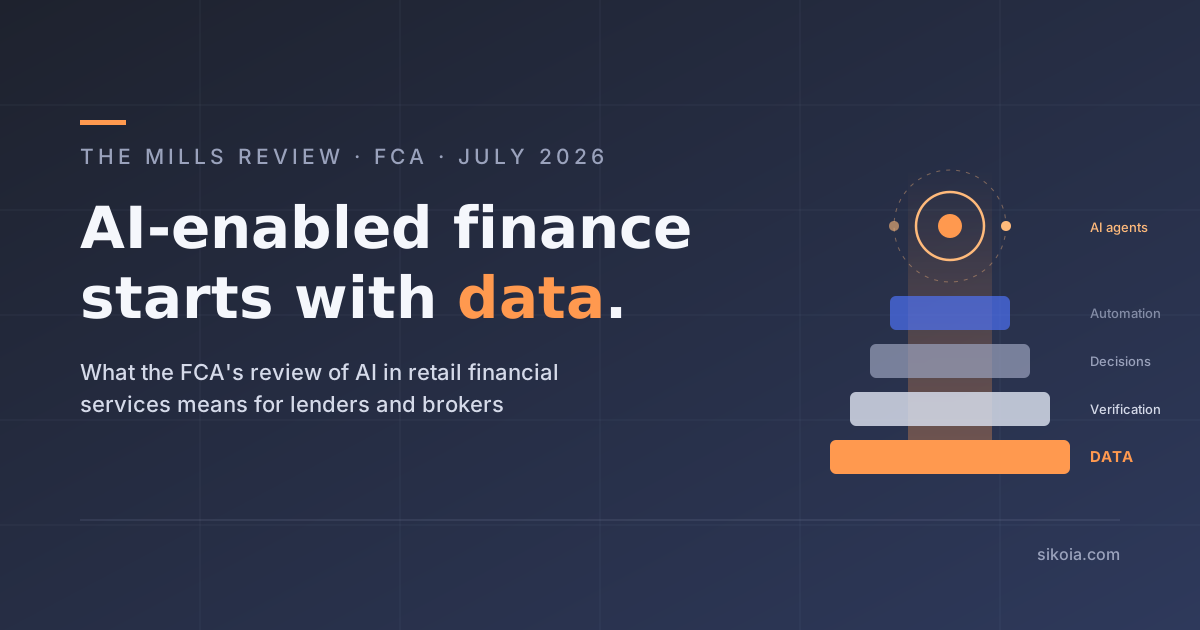
Most advisers have already experimented with tools like ChatGPT or Copilot and feel comfortable -in principle- with the intended goals: improving process efficiency, strengthening lending and verification journeys, elevating customer experience and applying AI safely. These are the areas where day-to-day pressure is highest, and where the benefits of well-implemented AI are most tangible.
Where confidence starts to moderate
But when the focus shifts to real operational change, aligning AI to business goals, tightening data governance, enhancing verification, or empowering teams, confidence moderates.
Productivity gains come with heightened risk
There’s a growing awareness of risk. Industry leaders, including OSB’s Richard Wilson, are rightly emphasising the dual nature of AI. It accelerates productivity, but it also elevates exposure to fraud if information can’t be authenticated or explained. Trust, transparency and strong data controls are becoming the new baseline. This isn’t about adopting technology for the sake of it; it’s about ensuring every step is verifiable, compliant and defensible.
The shift toward applied, responsible AI
As the industry moves in this direction, the emphasis is shifting toward applied, responsible AI. Technology that fits existing workflows, improves decision-making and supports advisers without compromising security or regulatory expectations. AI that is explainable rather than opaque, and dependable rather than experimental.
How large brokers are evaluating AI partners
This shift is already evident in how the largest brokers and networks evaluate potential partners. All our customers - including MAB, Finova, Experian and others - now apply extensive stress-testing and due-diligence frameworks before adopting AI-enabled solutions. Sikoia has been through these assessments directly. They extend well beyond functionality, covering security posture, data governance, model transparency, operational resilience and regulatory compliance. Meeting these standards demonstrates not only technical maturity, but the depth of trust required for deployment within highly regulated environments.
What enterprise-grade AI looks like in practice
Working with these larger brokers and networks has reinforced something central to Sikoia’s approach: security, due diligence and robust governance must underpin every part of an AI-powered platform. Our ISO 27001 certification, enterprise-grade platform built on Microsoft Azure along with authorisation and regulation by the FCA as both an AISP and a credit reference provider, reflects that principle in practice. These credentials represent the type of infrastructure the industry will increasingly depend on as AI becomes embedded in onboarding, verification and risk workflows.
Innovation backed by accountability
As adoption accelerates, firms will continue to prioritise partners who can evidence this combination of innovation and accountability - and who can withstand the heightened scrutiny that accompanies AI in financial services. Sikoia’s experience, regulatory standing and ongoing work with major networks position it firmly within this emerging standard, offering a foundation aligned to the sector’s expectations for safety, integrity and operational resilience.



.png)
.png)


.png)


.png)


.png)


%20(2).svg)


